
Somewhere in the middle
Warm, cold, or somewhere in the middle – the perfect temperature for your wine.
You may have heard that "white wines go in the fridge, red wines stay at room temperature". But is it really that simple? What temperature should we drink our wines at, and why does it matter?

Whatever drink you're enjoying, temperature matters. You may love a cold glass of cola with ice and a slice of lemon, but how much would you enjoy lukewarm cola? Wine is no different in that every wine has a temperature where it shines brightest. All too often, though, wine is served at a temperature that doesn't allow it to flourish. Fortunately, there are some straightforward steps to take that can help you enjoy your wine at its best temperature.
Why does serving temperature matter?
In 2015, when Australian wine brand Taylors Wines released thermal technology on their wine bottle labels, they highlighted the importance of enjoying wine at the optimum temperature. Like Taylors, we emphasize the impact of temperature on a number of your wine's qualities, such as:
- Aroma. When wine is served at the appropriate temperature, its aromas are more pronounced and enjoyable. In contrast, when served at the wrong temperature, your wine's aromas can either be dulled or become too intense and overpowering.
- Taste. Serving your wine at the correct temperature allows you to experience its full range of flavors and appreciate the balance between acidity, sweetness, tannins, and alcohol.
- Texture. Proper serving temperature can contribute to a smooth, pleasant mouthfeel. Meanwhile, the incorrect serving temperature can make a wine anything from oily and heavy to overly astringent and watery.
- Complexity. Proper serving temperature allows you to experience a good wine's complexity and nuances that it has developed. Improper serving temperature can strip a wine of this enjoyable complexity, diminishing your overall experience.
That's quite the list of qualities that temperature can impact. So, what are the most common issues we see with the temperature wine is served at, and what can you do about this?

Our reds are often too warm
You may have heard the advice before that red wine is best kept at room temperature. In modern times, this advice sort of misses the mark. The issue is that this wisdom comes from pre-central heating days when the ambient temperature in many wine-producing regions was between 13 and 18˚C/55.5 and 64.5˚F. Nowadays, the concept of 'room temperature' has changed radically, with many rooms typically being heated to between 20 and 22˚C/68 and 71.5˚F.
Why is this an issue for red wine? Depending on how full-bodied it is, red wine is typically best enjoyed at 13-18˚C/55.5-64.5˚F. So, while the "serve red wine at room temperature" advice was helpful before central heating, it now results in red wines that can be considerably warmer than their optimum temperature.
Serving your red wine at these too-warm temperatures can accelerate its aging process, causing it to lose its freshness and vibrancy; its alcohol aromas can become overly pronounced, overwhelming the wine's other characteristics, and its tannins can become more aggressive and astringent - something that can become particularly unpleasant in fuller-bodied wines that are already high in tannins.
The benefits of enjoying your red wine at the right temperature
So, what can you do about this? As room temperature can vary considerably depending on where you are in the world and the time of year, we like to use the following saying:
"If it's warm enough for you to have bare arms or legs, it's too hot for your reds."
You can still store your red wine at room temperature, but we recommend putting it in the fridge for 15-30 minutes to cool down before drinking if your room temperature exceeds the wine's best serving temperature. If you don't wish to wait this long, you can instead half-fill an ice bucket with ice, top it up with water, and plunge your bottle in for 10 minutes to bring your wine down to its optimal temperature. Doing this will allow your wine to present a balanced picture of its characteristics without overwhelming your senses.

The variance between different red wines
As previously mentioned, there is a variance between types of red wine when it comes to the best serving temperature, which usually comes down to how full-bodied they are. Lighter-bodied reds like Pinot Noir and Gamay are best enjoyed at 13-16°C/55.5-61°F to preserve their delicate aromas and acidity, while full-bodied red wines like Cabernet Sauvignon and Zinfandel are best served at around 18°C/64.5°F to maintain their complex aromas and flavors.
To account for this, chill your lighter-bodied reds for a little longer than you would full-bodied reds. Note how various chill timings work for different wines; before long, you'll have perfected the art of serving your red wine exactly how you like it.


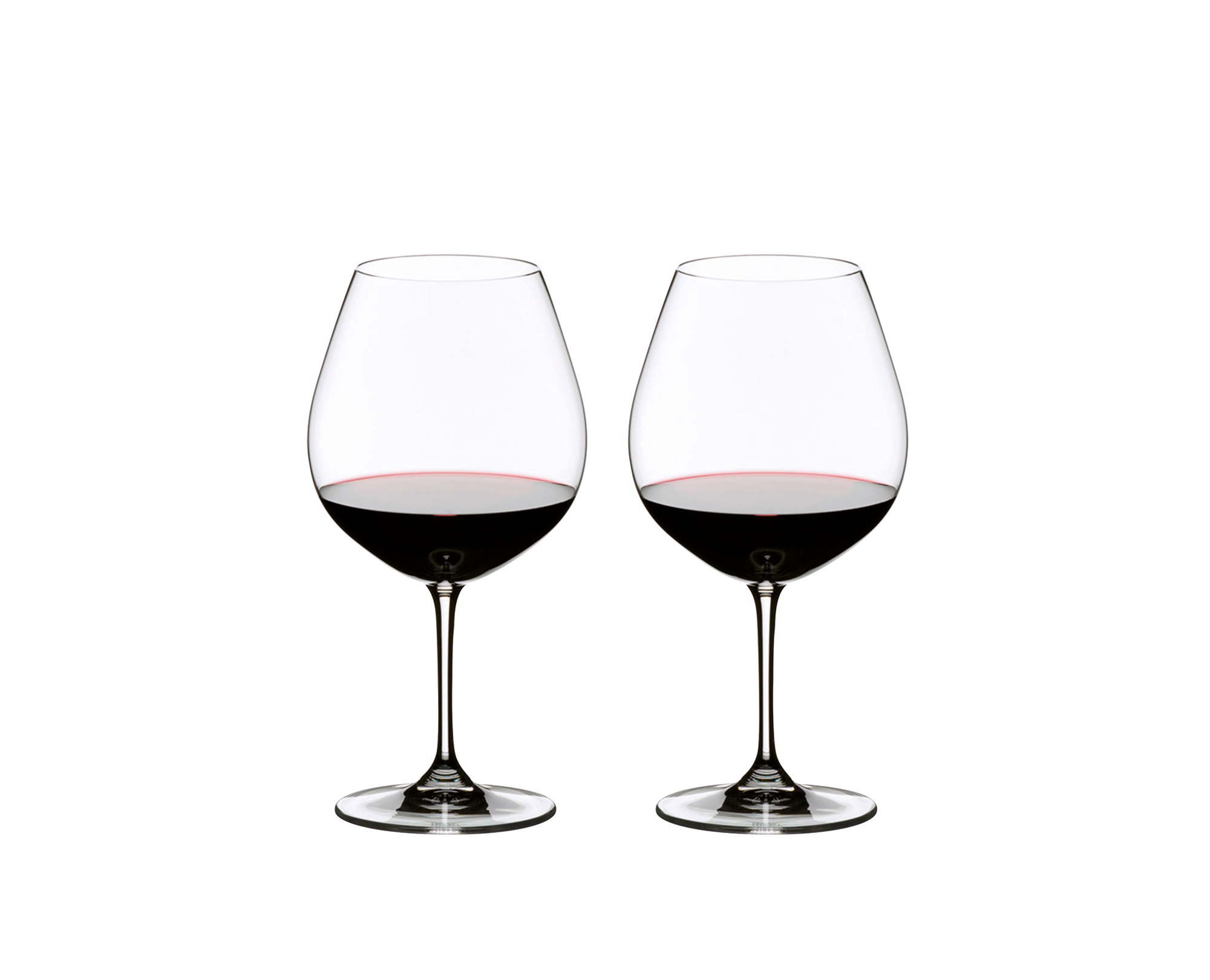
Set of 2
RIEDEL Vinum Pinot Noir (Burgundy Red)1 bill unit contains 2 pieces.


Set of 2
RIEDEL Vinum Riesling Grand Cru / Zinfandel1 bill unit contains 2 pieces.

The benefits of enjoying white wine at the right temperature
Clearly, we want to avoid the above from happening with our white wines. So how do we do that? If you're lucky enough to own a wine fridge, simply adjust its temperature accordingly. If, however, you're one of the majority who don't, we recommend taking your white wine out of the fridge approximately 30 minutes before drinking to allow it to warm up to its best serving temperature. Doing this will enable you to experience your wine's full aromatic expression and perceive its depth of flavors, while your wine will retain a balanced acidity and deliver a rich, textured mouthfeel for your enjoyment.


Set of 2
RIEDEL Extreme Riesling / Sauvignon Blanc1 bill unit contains 2 pieces.


Set of 2
RIEDEL Vinum Riesling Grand Cru / Zinfandel1 bill unit contains 2 pieces.
Getting the temperature of your wine right is part of our philosophy that there are many simple things that any wine lover can do to get more out of the wines they love. The cumulative effect of acing your wine's temperature, along with other factors such as using the correct RIEDEL Grape Varietal Specific wine glass, decanting your wine, utilizing sight, smell, and taste when sipping your wine, and - if relevant, pairing it with complementary foods, ensures you get the best possible overall wine-drinking experience.
Applying this when you're out and about
The above information should stand you in good stead when you're enjoying wine at home, but what about when you're visiting somewhere as a customer?
Despite the information we've provided above, many great bars and restaurants still serve their red wines at room temperature and their white wines straight from the fridge. If you receive a white wine that's too cold, you can give it some time to warm up slightly before you begin drinking, or ask if another bottle is available that hasn't been sitting in the fridge for as long.
If, on the other hand, you order red wine that comes out too warm, don't be afraid to ask for a half-ice/half-water bucket to help chill it slightly! These minor adjustments can make a considerable difference to your wine enjoyment and, subsequently, your enjoyment of the entire evening.
RIEDEL Moments of Taste
Learn more on wine, food, entertaining, craftsmanship, recipes and the art of enjoying life's finest moments.


